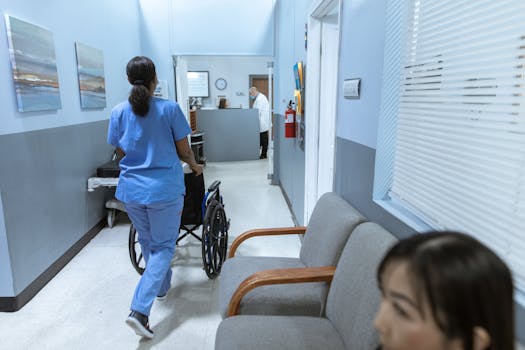
Understanding the role of healthcare professionals is crucial for those seeking a career in the medical field or looking for the right kind of care. Two roles often discussed are TCAE (Técnico en Cuidados Auxiliares de Enfermería) and nursing assistants. While they share similarities, key differences set them apart. In this article, we’ll explore what are the differences between TCAE and nursing assistant to provide clarity on both positions.
Table of Contents
What is a TCAE?
TCAE, short for Técnico en Cuidados Auxiliares de Enfermería, is a professional role recognized within the healthcare system, particularly in Spanish-speaking countries. A TCAE is a trained individual responsible for providing basic care to patients under the supervision of registered nurses or doctors. Their education typically includes a vocational training program, which combines theoretical learning and practical internships.
As part of their training, TCAE students must understand medical terminology, basic patient care techniques, and emergency response. This role is distinct in its requirement for formal education and certification, as outlined in Royal Decree 184/2015, which governs the qualifications necessary for healthcare professions in Spain.
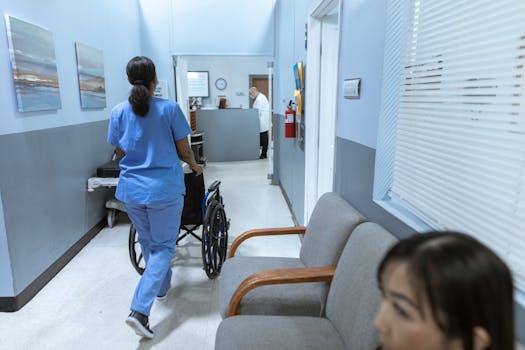
TCAEs are vital in the healthcare sector, assisting in everyday patient needs and ensuring a high standard of care. They work in various healthcare settings, from hospitals to care homes, providing an indispensable service to those in need.

Why are TCAE and nursing assistants confused?
The terms TCAE and nursing assistant are sometimes used interchangeably due to their overlapping responsibilities, leading to confusion. Both roles involve providing direct patient care, such as helping with hygiene, mobility, and monitoring vital signs. The confusion is compounded by regional differences in terminology and the evolution of these healthcare roles over time.
In some contexts, the title ‘nursing assistant’ is used colloquially to refer to a similar position as TCAE, although not always with the same level of formal training. This mix-up underlines the importance of accurate titles in professional healthcare settings to avoid misunderstanding the scope of roles and responsibilities.
Despite the commonalities, a TCAE’s training is more structured and often legally mandated, making their qualification distinct from that of a nursing assistant in many regions.
![Intermediate Vocational Training in Nursing Assitance [TCAE]](https://laboraqh.one/wp-content/uploads/2026/03/pexels-photo-19963183.jpeg)
What are the key responsibilities of a TCAE?
- Assisting with daily patient care tasks, such as bathing, dressing, and feeding.
- Monitoring and recording patients’ vital signs, like blood pressure and temperature.
- Ensuring patient comfort and addressing their needs.
- Providing emotional support and communicating with patients and their families.
- Assisting with medical procedures and following infection control protocols.
How to become a TCAE?
Becoming a TCAE requires completing a vocational training program specific to auxiliary nursing. This program typically spans one to two years and includes both theoretical coursework and practical experience through internships. Candidates learn about anatomy, patient care techniques, and basic pharmacology, among other subjects.

After finishing the required education, aspiring TCAEs must pass a certification exam to demonstrate their knowledge and competence. This certification is crucial, as it validates their ability to provide care and ensures adherence to healthcare standards.
Interested individuals should research specific requirements in their region, as the path to becoming a TCAE may vary based on local regulations and healthcare systems.
What are the career opportunities for TCAEs?
TCAEs can find employment in a range of healthcare settings, including hospitals, clinics, rehabilitation centers, and elderly care facilities. They play a critical role in the healthcare team, offering frontline patient care and support to other medical staff.

Their vocational training also opens opportunities for specialization in areas such as geriatrics, pediatrics, or operating room assistance. Continued education allows TCAEs to advance their careers and potentially move into more specialized or supervisory roles within the healthcare sector.

Moreover, the growing demand for healthcare services ensures that TCAEs have strong career prospects. Their comprehensive training makes them adaptable to various medical environments and patient needs.
What is the salary expectation for a TCAE?
In Spain, the average salary for a TCAE is approximately €1,200 monthly, though this can vary based on experience, location, and the employing institution. It’s important for TCAEs to recognize that their salary reflects their specialized training and the critical support they provide in patient care.
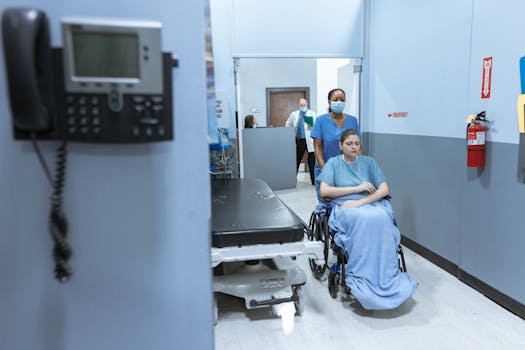
While salary is an important consideration, TCAEs often find intrinsic rewards in their profession, knowing that they significantly impact patients’ lives and the overall healthcare system. As with many vocations, salary potential can increase with experience and additional qualifications.
In conclusion, while TCAEs and nursing assistants may perform similar tasks, they differ in terms of training, formal recognition, and sometimes terminology. Understanding these differences is essential for those considering a career in healthcare or looking to understand the various roles within the medical field. By recognizing the unique qualifications and responsibilities of TCAEs, we can better appreciate their contribution to patient care and the healthcare industry as a whole.

Hola a todos, tanto los TCAE como los auxiliares de enfermería desempeñan funciones similares, pero hay algunas diferencias clave. Los Técnicos en Cuidados Auxiliares de Enfermería (TCAE) suelen tener una formación más específica y extensa, ya que deben completar un ciclo formativo de grado medio. Esto les permite realizar tareas más complejas bajo la supervisión de enfermeros. Por otro lado, el término ‘auxiliar de enfermería’ a veces se usa de manera más general para referirse a personal de apoyo en el área de salud, aunque no siempre tengan la misma titulación. En la práctica, ambos son fundamentales para el cuidado de los pacientes.