Electricity officers for construction play an integral role in the successful completion of modern building projects. Ensuring electrical systems are designed, installed, and maintained correctly, these professionals are central to both the functionality and safety of new constructions.
Table of Contents
- Roles and responsibilities of electricity officers in construction
- Contribution to project safety
- Essential skills for effective electricity officers
- Educational pathways for aspiring electricity officers
- Collaboration with other construction professionals
- Typical salary range for electricity officers in construction
- Career advancement opportunities for electricity officers
- Related questions about electricity officers in construction
Roles and responsibilities of electricity officers in construction
At the heart of the construction industry, electricity officers for construction have a wide array of responsibilities. Their primary role involves overseeing the installation and maintenance of electrical systems within construction projects. These systems can range from lighting and power distribution to more complex systems like those used for home automation or renewable energy projects. They also ensure compliance with electrical codes and standards, contributing to the overall safety and efficiency of the project.
Additionally, these officers are responsible for coordinating with other construction professionals, including architects, engineers, and project managers, to ensure electrical designs are integrated seamlessly into the overall building plan. They must also stay abreast of the latest technologies and regulations within the industry, including advancements in photovoltaic system installation and smart building integrations.
Quality control is another significant aspect of their work, as they are tasked with inspecting and testing electrical components to guarantee they meet the required specifications. This meticulous attention to detail helps prevent potential hazards and ensures reliable operation post-construction.
Contribution to project safety
Electricity officers are fundamental to the safety of construction projects. They scrutinize electrical plans for potential safety issues, anticipate problems before they occur, and implement measures to mitigate risks. Their expertise helps protect against electrical fires, shocks, and other dangers that could potentially harm workers on site or occupants in the future.
These professionals also conduct regular safety training sessions for construction teams, teaching best practices for handling and installing electrical components. By fostering a culture of safety, they help maintain a secure work environment for all involved in the construction site.
Moreover, electricity officers work closely with building services engineering teams to ensure that emergency systems, such as fire alarms and backup generators, are properly installed and fully operational. This proactive approach to safety is essential in protecting both property and human life.
Essential skills for effective electricity officers
- Technical proficiency in electrical systems design and installation
- Strong analytical and problem-solving abilities
- Excellent communication and coordination skills
- Knowledge of industry standards and building codes
- Ability to manage teams and provide training
- Commitment to continuous learning and professional development
Educational pathways for aspiring electricity officers
For those interested in becoming electricity officers for construction, several educational paths can be taken. Generally, a high school diploma is the foundation, but additional certifications or degrees in electrical engineering or a related field, such as building services engineering, can be advantageous. Vocational schools often offer programs that include coursework and hands-on training in electrical installation and construction practices.
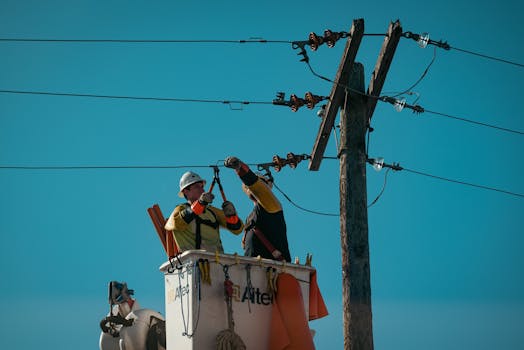
Many electricity officers start their careers as apprentices, working under the guidance of experienced technicians. Professional certifications, such as those offered by City & Guilds, can further endorse an individual’s expertise and dedication to the profession, potentially leading to higher-level positions and responsibilities.
As the industry evolves, continuing education becomes critical, with many officers pursuing courses in renewable energy projects, smart technology, and other emerging fields within electrical engineering and construction.
Collaboration with other construction professionals
Collaboration is a cornerstone of the role of electricity officers in the construction process. They regularly coordinate with architects to ensure that electrical considerations are integrated into the building design from the outset. Collaboration with civil and structural engineers is also crucial to accommodate the physical components of electrical systems within the construction.
These officers also interact with project managers to provide updates, relay any changes, and maintain project timelines. Effective communication skills are therefore critical, as is the ability to interpret and articulate complex technical information to stakeholders who may not have a background in electrical engineering.
Working with inspectors and regulatory bodies is another important aspect of their role, ensuring that all work is compliant with local and national electrical codes and regulations.
Typical salary range for electricity officers in construction
The salary for electricity officers in construction varies depending on experience, qualifications, and location. Entry-level positions may offer a modest salary, but as officers gain experience and additional certifications, their earning potential increases. According to industry data, the median salary range for these officers often falls within a competitive bracket, reflecting the skill and responsibility required in this field.
Salaries can also vary depending on the type of construction projects officers work on, with those involved in large-scale commercial or industrial projects typically commanding higher wages. Geographic location also plays a role, as urban areas with a higher cost of living and more construction activity tend to offer greater compensation.
Additional benefits may include health insurance, retirement plans, and continuing education opportunities, which contribute to the overall compensation package for electricity officers in the construction industry.

Career advancement opportunities for electricity officers
For those looking to enhance their career prospects, electricity officers can pursue various pathways. With experience, they can progress to supervisory roles, managing teams of electricians and other technicians on larger or more complex projects. Some may choose to specialize in particular areas such as renewable energy systems or smart building technology, which can open doors to new opportunities and increase their marketability.
Advanced certifications or degrees can lead to positions such as project manager or electrical engineer, which often come with increased responsibility and higher salaries. Additionally, some electricity officers may find opportunities in training or education, sharing their knowledge with the next generation of construction professionals.
Entrepreneurship is another avenue, with experienced professionals starting their own electrical contracting businesses, providing services directly to clients and having greater control over their projects and income.
Related questions about electricity officers in construction
What do electrical engineers do in construction?
Electrical engineers in construction are responsible for designing electrical systems that meet the specific needs of buildings and ensuring these systems are safely integrated into the construction plans. They work closely with architects and other engineers to create functional, efficient, and safe electrical infrastructures.
These engineers also oversee the installation process, ensuring that everything is up to code and functioning correctly. They play a critical role in project planning, problem-solving, and quality assurance throughout the construction phase.
Who is a construction electrician?
A construction electrician is a tradesperson who specializes in the electrical work necessary for the construction and maintenance of buildings. They install electrical wiring, fixtures, and control systems in new constructions and perform upgrades or repairs in existing structures. Their work is crucial to ensure that all electrical components are safe, legal, and functional.
Construction electricians work under the guidance of electricity officers and must be proficient in reading blueprints and understanding electrical codes and standards.
What is KRA for an electrical engineer?
KRA, or Key Result Areas, for an electrical engineer, includes designing electrical systems, ensuring compliance with safety standards, managing project elements, and collaborating with the construction team. They must also focus on achieving energy efficiency and meeting project timelines and budget constraints.
An electrical engineer’s KRAs are typically defined by their specific role within a construction project, the complexity of the electrical systems they manage, and the needs of the organization they work for.
What are the 7 phases of a construction project?
The seven phases of a construction project usually include project conception and initiation, planning, execution, performance and monitoring, project close, and post-construction. Each phase has its own set of activities and deliverables that contribute to the overall success of the project.
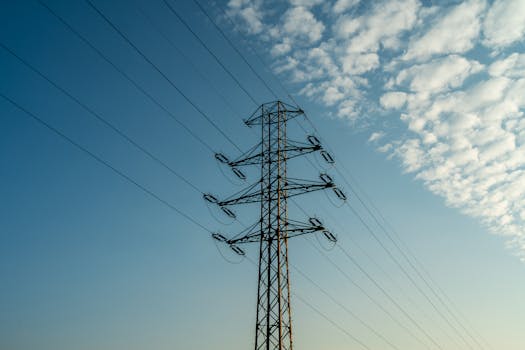
Electricity officers for construction are involved in multiple phases, particularly in planning, execution, and performance monitoring, to ensure the electrical aspects of the project are delivered to the highest standards.
Ensuring that the world of construction remains both efficient and safe, electricity officers for construction are vital to the successful completion of modern structures. Through their expertise in electrical systems and project safety, these professionals provide invaluable contributions across every phase of the building process. Whether they are just starting out or looking to advance their careers, there are a wealth of opportunities for growth and development within this dynamic field.
Es interesante ver cómo los oficiales de electricidad en la construcción juegan un papel crucial en garantizar la seguridad y eficiencia energética de los proyectos. Creo que sus responsabilidades, como la supervisión de instalaciones eléctricas y el cumplimiento de normativas, son fundamentales para el éxito de cualquier obra. Este tipo de roles son clave para avanzar hacia construcciones más sostenibles y seguras en España.