
Understanding what does a Scrum Master do and what is the Scrum methodology is crucial for organizations looking to implement Agile practices for project management. The Scrum Master plays a pivotal role in promoting an environment where a team can work efficiently on complex projects. Moreover, grasping the intricacies of Scrum methodology can be valuable for professionals aiming to enhance their project management skills.
A Scrum Master is more than a project overseer; they are a facilitator and coach for the Scrum team, ensuring everyone adheres to Scrum practices and principles. Meanwhile, Scrum methodology offers a framework for handling complex work through incremental and iterative progress. Let’s delve into the roles, responsibilities, and practices that define a Scrum Master and the Scrum approach.

Table of Contents
- What is the role of a Scrum Master?
- How do I become a Scrum Master?
- What are the key responsibilities of a Scrum Master?
- What skills are essential for a Scrum Master?
- How does Scrum methodology work in project management?
- What is the difference between a Scrum Master and a Project Manager?
- What is the importance of a Scrum Master in Agile teams?
- Related questions about Scrum Masters and methodology
What is the role of a Scrum Master?
A Scrum Master is a key figure in Agile project management, ensuring the team follows agile practices and Scrum principles. They are not a traditional manager but rather act as a servant-leader who supports and shields the Scrum team from external disruptions. Their main focus is on fostering a collaborative work environment and optimizing productivity.
The Scrum Master also facilitates essential Scrum events, such as Sprint Planning, Daily Scrum, Sprint Review, and Sprint Retrospective. They work closely with the Product Owner to ensure the product backlog is well-understood and that the team aligns on project goals. Moreover, they promote continuous improvement within the team, encouraging reflection and adaptation at every opportunity.

Another critical aspect of their role is conflict resolution and promoting an open, respectful, and collaborative team culture. They ensure that the Scrum values of commitment, courage, focus, openness, and respect are embodied within the team.
How do I become a Scrum Master?
Becoming a Scrum Master involves a combination of formal training, certification, and practical experience. Many organizations offer Scrum training and resources, including Scrum.org and the Scrum Alliance. These organizations provide comprehensive courses that cover the fundamentals of Scrum methodology.
After completing training, aspiring Scrum Masters must pass an examination to receive their Scrum Master certification. This certification serves as proof of their knowledge and understanding of Scrum practices and principles.

It’s also beneficial to gain hands-on experience by working on Agile projects, either in a shadowing capacity or as part of a Scrum team, before assuming the full responsibilities of a Scrum Master. This practical experience complements the theoretical knowledge gained in certification courses.
What are the key responsibilities of a Scrum Master?
The responsibilities of a Scrum Master are diverse and impact various aspects of project execution. They must facilitate Scrum ceremonies, ensuring they are productive and adhere to time constraints. A Scrum Master also works with the Product Owner to manage the product backlog and prioritize tasks.
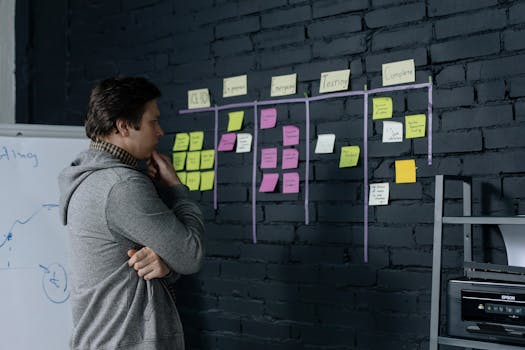
Protection of the team from outside interruptions and distractions is another critical responsibility. This enables the team to focus on the tasks at hand during a Sprint. The Scrum Master also removes impediments that could hinder the team’s progress.
One of their less tangible but equally important duties is to foster an environment of continuous learning and improvement. This involves coaching the team in self-organization and cross-functionality, as well as promoting the Agile mindset throughout the organization.
What skills are essential for a Scrum Master?
A successful Scrum Master must possess a mix of soft and technical skills. Strong communication and facilitation skills are vital, as they will be coordinating with various stakeholders and guiding team discussions. They must also be adept at conflict resolution, negotiation, and fostering a collaborative team environment.

Technical skills include a thorough understanding of Agile project management and the Scrum framework. They should be familiar with tools like Jira and Confluence that support Agile workflows. Additionally, a Scrum Master must be comfortable with change management, as they will often lead teams through periods of significant change.
Leadership skills are also essential, as the Scrum Master is expected to coach and mentor team members in Scrum and Agile practices. They need to be proactive in identifying and addressing issues that may impede team performance.
How does Scrum methodology work in project management?
Scrum methodology is designed to support teams in managing complex tasks by dividing the work into smaller, manageable increments known as Sprints, usually lasting two to four weeks. At the start of each Sprint, the team selects a set of work items from the product backlog and commits to completing them.
Daily Scrum meetings help the team to stay aligned and quickly address any impediments. At the end of each Sprint, the team reviews the work completed and discusses ways to improve in the Sprint Retrospective. This iterative approach allows for continuous feedback and adaptation, which is critical in managing complex projects.
Scrum emphasizes collaboration, flexibility, and efficiency, with the team working closely to deliver value with each increment. The Product Owner, Scrum Master, and the development team form the three roles defined by Scrum, each with distinct responsibilities in the project management process.
What is the difference between a Scrum Master and a Project Manager?
The Scrum Master and Project Manager roles are distinct but sometimes confused. A Project Manager has a broader responsibility for the project’s overall success, including planning, budgeting, and resource allocation. In contrast, a Scrum Master focuses on facilitating the Scrum process and supporting the team’s adherence to Scrum principles.
While a Project Manager might be seen as the person in charge of directing the team, a Scrum Master serves the team by removing obstacles and enabling them to work more effectively. Essentially, a Scrum Master is a servant-leader whose success is tied to the team’s ability to self-organize and deliver results.

Another key difference is that Project Managers typically work within a more traditional, hierarchical system, whereas Scrum Masters thrive in flat, Agile environments where authority is more distributed.
What is the importance of a Scrum Master in Agile teams?
The Scrum Master is crucial in Agile teams as they ensure that the Scrum framework is correctly implemented, enabling the team to work at its highest level of efficiency. Their role is particularly important in removing impediments, facilitating communication, and ensuring the team adheres to Agile practices.
They are also responsible for coaching the team members in the principles and practices of Scrum, helping them to understand their roles within the team and the importance of each Scrum event. The Scrum Master, by embodying the Agile principles, sets the tone for a culture of continuous improvement, innovation, and adaptation.

Ultimately, the Scrum Master’s presence helps Agile teams to deliver high-quality products that meet customer needs and adapt swiftly to changing requirements, which is the hallmark of Agile methodologies.
Related questions about Scrum Masters and methodology
What is the Scrum Master methodology?
The Scrum Master methodology refers to the specific practices and principles that a Scrum Master uses to guide, facilitate, and coach their team. This involves upholding the Scrum framework, which is centered around the roles, events, and artifacts that define the Scrum process.

Through various Scrum events, like Sprints and Daily Scrums, the Scrum Master helps the team stay focused on their goals, work cohesively, and continuously improve their processes. This methodology is not rigid but is instead adaptable to the unique needs of each team and project.
What is the 3 5 3 rule of Scrum?
The 3 5 3 rule of Scrum refers to the three roles (Product Owner, Scrum Master, and Development Team), five events (Sprint, Sprint Planning, Daily Scrum, Sprint Review, and Sprint Retrospective), and three artifacts (Product Backlog, Sprint Backlog, and Product Increment) that structure the Scrum framework. These elements provide a simple yet effective way to manage complex projects by promoting transparency, inspection, and adaptation.
This rule is essential for understanding how Scrum organizes the work and roles within a project, ensuring everyone knows their responsibilities and the processes to follow for a successful Sprint.

What is the Scrum methodology?
The Scrum methodology is an Agile framework for developing, delivering, and sustaining complex products. It is built on the principles of transparency, inspection, and adaptation. Scrum encourages teams to work iteratively and incrementally, to deliver value to the customer early and often.
Scrum’s iterative approach allows for frequent reassessment and adjustment of the project, making it particularly effective in environments where requirements change rapidly or are not fully understood from the start.

What are the 5 phases of Scrum methodology?
The five phases of Scrum methodology include vision, planning, sprinting, review, and retrospective. The vision phase involves defining the project’s goals and outcomes. Planning includes creating the product backlog and planning the first Sprint.
Sprinting is the phase where the actual development work takes place, and it concludes with a potentially shippable product increment. The review phase involves evaluating the work completed during the Sprint, and the retrospective focuses on identifying ways to improve in the next Sprint.

These phases are cyclical, with each Sprint starting with planning and ending with a retrospective, ensuring continuous improvement over the lifecycle of a project.
The role of a Scrum Master is integral not only in facilitating Agile project management, but also in ensuring the team is well-equipped to tackle complex challenges collaboratively and effectively. If you’re looking to step into this role or implement Scrum methodology, remember that it requires a deep understanding of the framework, commitment to continuous improvement, and the right mix of skills to guide your team towards success.

El papel de un Scrum Master es fundamental para asegurar que el equipo siga los principios ágiles y trabaje de manera eficiente. El Scrum Master facilita las reuniones diarias, ayuda a resolver impedimentos y se asegura de que el equipo esté enfocado en sus objetivos. La metodología Scrum, por otro lado, es una forma ágil de gestionar proyectos que se centra en la entrega continua de valor a través de iteraciones cortas y colaboración constante. Es una forma fantástica de mejorar la productividad y la comunicación dentro de los equipos.